
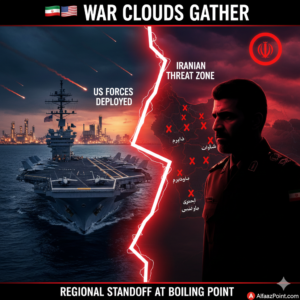
🇮🇷🇺🇸 US-Iran Tension: War Clouds Gather as Regional Standoff Reaches Boiling Point
Middle East | Feb 22, 2026 — The already volatile Middle East is bracing for a potential conflict as tensions between the United States and Iran reach unprecedented levels. Recent developments, including Iran’s bold move to label European military forces as “terrorists” and President Trump’s strong warnings, suggest that the region is on the brink.
🔥 Iran’s Provocative Move: European Forces Declared “Terrorist”
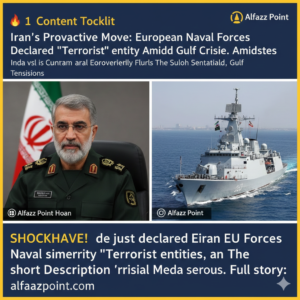
In a dramatic escalation, Iran’s Revolutionary Guard Corps (IRGC) announced late Friday that it considers all European Union naval and air forces operating in the Gulf region as “terrorist entities.” This declaration comes after several European nations increased their military presence following a series of shipping incidents in the Strait of Hormuz.
-
Strategic Impact: This move is seen as a direct challenge to international maritime security efforts and could significantly complicate diplomatic solutions.
- Historical Context: Iran’s parliament had previously designated the entire U.S. military as a terrorist organization in response to American sanctions. This new designation extends that hardline stance to European allies.
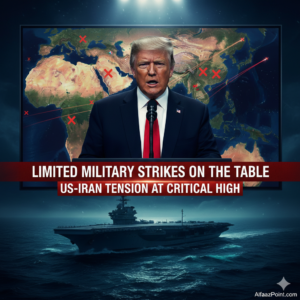
⚠️ Trump’s Stern Warning: “Limited Military Strikes” on the Table
Reacting to Iran’s latest provocations, U.S. President Donald Trump issued a grave warning from the White House, hinting at the possibility of “limited military strikes” against Iranian targets.
-
President’s Statement: “We have drawn a very clear line. Iran’s aggressive actions will not be tolerated. All options are on the table, and we are prepared to act decisively if American interests or our allies are threatened.”
-
Military Buildup: The presence of the American aircraft carrier USS Abraham Lincoln strike group in the Gulf region, along with enhanced air defense systems, underscores the seriousness of the U.S. posture.
-
Cyber Attacks: Reports also suggest an increase in cyber warfare activities targeting critical infrastructure in both countries, adding another layer to the conflict.
🌐 International Alarm and Calls for De-escalation
World leaders and international bodies have voiced deep alarm over the escalating rhetoric and military posturing.

-
United Nations: UN Secretary-General António Guterres called for “maximum restraint” from all parties, warning against a “catastrophic regional war” that would have global repercussions.
-
Regional Allies: Saudi Arabia and the UAE have expressed support for U.S. efforts to ensure maritime security but have also urged diplomatic solutions to avoid broader conflict.
-
Oil Market Impact: Global oil prices have surged, reflecting market fears of supply disruptions from the critical Strait of Hormuz, through which a significant portion of the world’s oil supply passes.
As the USS Abraham Lincoln maintains its watchful presence, the world holds its breath, hoping that diplomacy can still avert what many fear could be a devastating military confrontation in the Middle East.