
Celebrating Linguistic Heritage: World Marks International Mother Language Day; UNESCO Warns 40% Tongues Face Extinction
Global : Today, Feb 21, 2026, the world unites to celebrate International Mother Language Day (IMLD), an annual observance to promote linguistic and cultural diversity and multilingualism. Initiated by UNESCO, this day reminds us of the invaluable role mother tongues play in identity, education, and development. This year, however, the celebrations are tinged with a stark warning from UNESCO: nearly 40% of the world’s languages are at risk of disappearing.
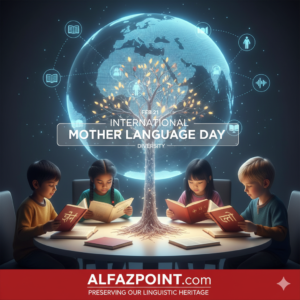
The Power of the Mother Tongue
“Language is not just a tool for communication; it is the very soul of a culture, a repository of history, wisdom, and unique ways of seeing the world,” stated UNESCO Director-General Audrey Azoulay in her message. She emphasized that mother languages are crucial for early childhood education, fostering critical thinking, and promoting social inclusion. When a language dies, an entire worldview is lost.
India: A Kaleidoscope of Languages
India, often called a “linguistic paradise,” stands as a shining example of multilingualism. With over 1,600 recognized mother tongues (as per the 2011 census) and 22 official languages, India is a testament to the coexistence of diverse linguistic traditions. From the ancient richness of Tamil and Sanskrit to the vibrant dialects spoken in remote villages, India’s linguistic diversity is unparalleled. The New Education Policy (NEP) in India actively promotes mother tongue-based instruction in primary education to preserve this heritage.
UNESCO’s Call to Action
The theme for IMLD 2026, “Multilingual Education – a Pillar of Learning and Intergenerational Learning,” highlights the urgency of safeguarding endangered languages. UNESCO is advocating for:
-
Multilingual Education: Integrating mother tongues alongside national and international languages in schooling.
-
Digital Preservation: Using technology to document and revitalize languages, especially those with few speakers.
-
Community Engagement: Empowering indigenous communities to teach and pass on their languages to future generations.
Threats to Linguistic Diversity
The primary threats to mother languages include globalization, dominance of a few major languages in digital spaces, lack of educational support, and migration. Experts believe that without concerted efforts, many languages will cease to exist within the next century.
International Mother Language Day is not just a celebration, but a call to action. Protecting our linguistic heritage is crucial for preserving the diverse tapestry of human culture. Stay informed with AlfaazPoint.com.