
The “Geneva Accord”: A Vision for Middle Eastern Stability
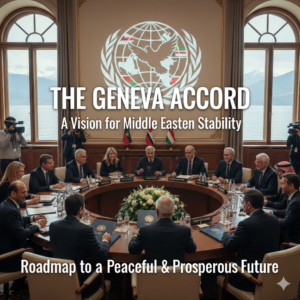
The Middle East, a cradle of civilizations and a nexus of global interests, has long grappled with a complex web of geopolitical tensions, historical grievances, and internal conflicts. Imagine a transformative moment, a diplomatic breakthrough akin to a “Geneva Accord,” designed not merely to pause hostilities but to lay a robust foundation for enduring regional stability and prosperity.
Such an accord would represent an unprecedented commitment from all regional and international stakeholders to prioritize dialogue over confrontation, cooperation over competition, and the well-being of their populations above narrow political interests. It would necessitate a paradigm shift, moving beyond zero-sum calculations to embrace a shared vision of a secure and thriving Middle East.
Key pillars of this hypothetical accord could include:
-
Comprehensive De-escalation and Confidence-Building Measures: Immediate cessation of proxy conflicts, withdrawal of foreign militias, and the establishment of transparent communication channels to prevent misunderstandings and accidental escalation. This would involve shared intelligence on terrorist threats and joint efforts to combat extremism.
-
Economic Integration and Reconstruction: A Marshall Plan-esque initiative focused on rebuilding war-torn areas, fostering regional trade blocs, and investing in sustainable development projects. This could include joint ventures in renewable energy, water management, and technological innovation, creating interconnected economies where prosperity becomes a mutual interest.
-
Security Architecture and Non-Proliferation: A framework for regional security dialogue, potentially including a nuclear-free zone, conventional arms control agreements, and mechanisms for collective security against external threats. This would aim to reduce arms races and ensure that military capabilities are purely defensive.
-
Humanitarian Cooperation and Refugee Repatriation: Coordinated efforts to address humanitarian crises, facilitate the safe and voluntary return of refugees, and protect minority rights. This pillar would underscore the human cost of conflict and the collective responsibility to heal societal wounds.
-
Respect for Sovereignty and Non-Interference: A reaffirmation of the principle of non-interference in the internal affairs of sovereign states, coupled with mechanisms to peacefully resolve border disputes and territorial claims through international arbitration.
The path to such an accord would undoubtedly be fraught with challenges, demanding immense political will, courageous leadership, and sustained diplomatic pressure from the international community. Skepticism would be high, and entrenched interests would resist change. However, the potential rewards – a generation free from the specter of war, economies flourishing, and the region reclaiming its historical role as a center of innovation and cultural exchange – are too significant to ignore.
A “Geneva Accord” for the Middle East is more than a diplomatic fantasy; it is a profound aspiration, a blueprint for a future where peace is not merely the absence of war, but the vibrant presence of justice, opportunity, and shared human dignity.